


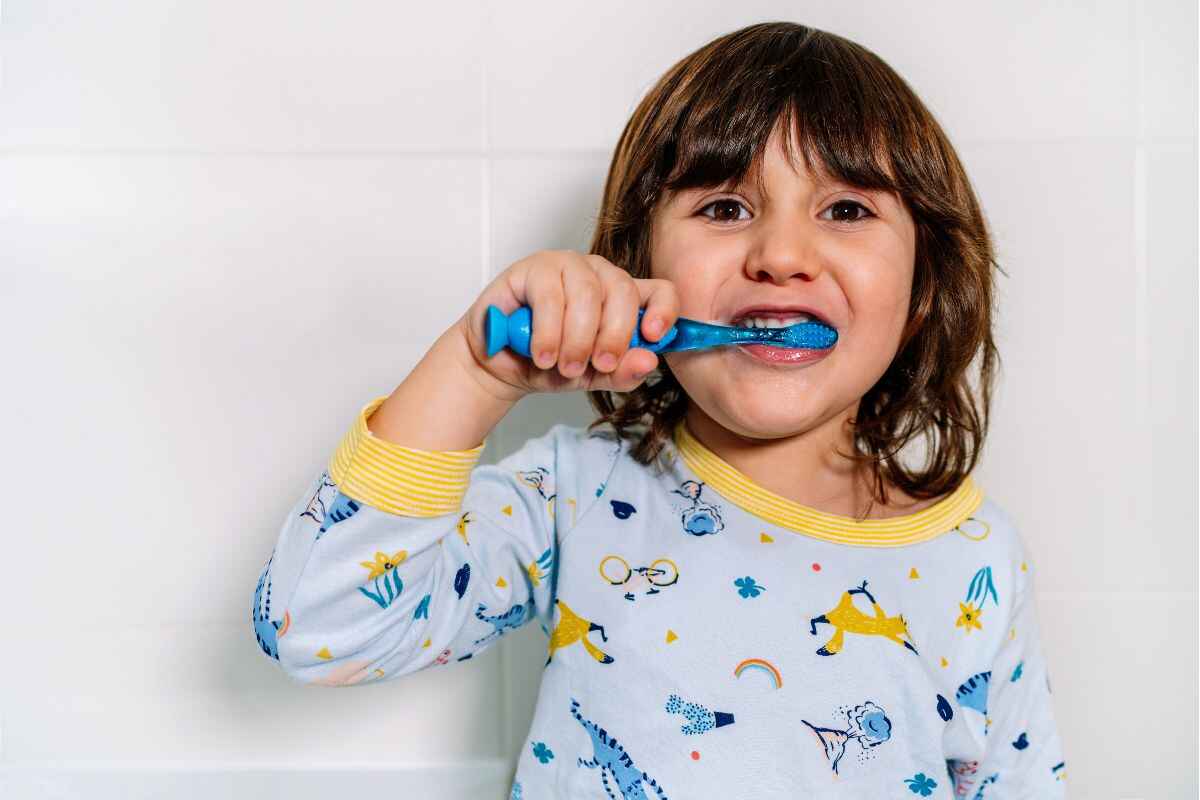
As a parent, building a strong foundation for your child’s oral health starts early and choosing the right toothbrush plays a key role. With so many options available, it’s natural to feel unsure about what’s best. Should you go with a manual or electric toothbrush? What features actually matter? And when should you switch types?
This guide will help you make the right choice for your child’s healthy smile.
Understanding the Two Main Types of Toothbrushes for Kids
When selecting a toothbrush, you’ll typically choose between manual and electric options. Each offers unique benefits depending on your child’s age, comfort, and brushing ability.
Manual Toothbrushes: Simple and Reliable
Manual toothbrushes remain a trusted choice for many families. They are easy to use and widely available in child-friendly designs.
Benefits include:
- Better control: Helps children learn proper brushing techniques and develop coordination
- Budget-friendly: Affordable and easy to replace regularly
- Variety of designs: Bright colors and fun themes encourage consistent brushing
Electric Toothbrushes: Effective and Engaging
Electric toothbrushes provide a more advanced cleaning experience. Their rotating or vibrating bristles can remove plaque more efficiently than manual brushing.
Why parents choose them:
- Improved cleaning: Reaches difficult areas like back teeth more effectively
- Built-in motivation: Features like timers, music, or characters make brushing enjoyable
- Consistency: Encourages brushing for the full recommended two minutes
Key Features to Look for in a Kid’s Toothbrush
Choosing the right toothbrush goes beyond manual vs. electric. The following features can make a significant difference:
Soft Bristles Are Essential
Children have delicate gums and enamel. Soft bristles clean effectively while preventing irritation or damage.
Age-Appropriate Size
The toothbrush head should fit comfortably in your child’s mouth and easily reach all areas, including molars.
Easy-to-Grip Handle
Look for ergonomic designs with non-slip grips to help children maintain control while brushing.
Fun Designs Matter
Toothbrushes with bright colors or favorite characters can make brushing feel less like a chore and more like a fun activity.
Look for Quality Assurance
The seal from the American Dental Association (ADA) indicates the toothbrush meets strict safety and effectiveness standards.
Built-In Timers (For Electric Options)
Timers help ensure your child brushes for the recommended two minutes and cleans all areas evenly.
Choosing the Right Toothbrush by Age
Your child’s needs will evolve as they grow. Here’s a simple guide:
Infants (0–2 Years)
Use a soft-bristled toothbrush with a small head and long handle. Begin brushing as soon as the first tooth appears.
Toddlers (2–4 Years)
Choose a toothbrush with a small head and thick, easy-grip handle. Start using a pea-sized amount of fluoride toothpaste and teach spitting.
Young Children (5–8 Years)
Select a slightly larger toothbrush with soft bristles. Supervise brushing and encourage a full two-minute routine.
Pre-Teens (9–12 Years)
Children at this stage can use more advanced toothbrushes, including electric options if recommended by a pediatric dentist.
Manual vs. Electric: What’s the Better Choice?
There’s no one-size-fits-all answer.
- Manual toothbrushes are great for younger children learning the basics.
- Electric toothbrushes can be ideal for older kids or those who need extra help brushing effectively.
Ultimately, the best toothbrush is the one your child will use consistently and correctly.
Make Brushing Easy and Enjoyable
Creating a positive brushing routine is just as important as choosing the right toothbrush. By selecting an option that fits your child’s age, comfort, and preferences, you can help set them up for lifelong oral health.
At Smile Zone in Springfield, MO, families receive guidance tailored to every stage of a child’s dental development. Whether you need help selecting the right toothbrush or improving your child’s brushing habits, a trusted pediatric dentist can provide personalized recommendations.
Ready to Support Your Child’s Smile?
If you have questions about your child’s oral care routine or need help choosing the right toothbrush, schedule a visit today. Our experienced team is here to help your child build strong, healthy habits in a comfortable and friendly environment.
Frequently Asked Questions (FAQs)
When should I start brushing my baby’s teeth?
Start as soon as the first tooth appears—usually around six months—using a soft-bristled toothbrush and water.
How do I choose between manual and electric toothbrushes?
Manual brushes work well for beginners, while electric options are helpful for children who need better cleaning efficiency or motivation.
How do I know if the toothbrush is the right size?
The head should fit comfortably in your child’s mouth and reach all areas easily. The handle should be easy to hold.
Are electric toothbrushes safe for kids?
Yes, when designed for children, they are safe and often more effective. Always follow age recommendations.
How often should I replace my child’s toothbrush?
Every 3–4 months or sooner if the bristles become frayed.
Are electric toothbrushes worth the extra cost?
They can be, especially if they improve your child’s brushing habits and consistency.