


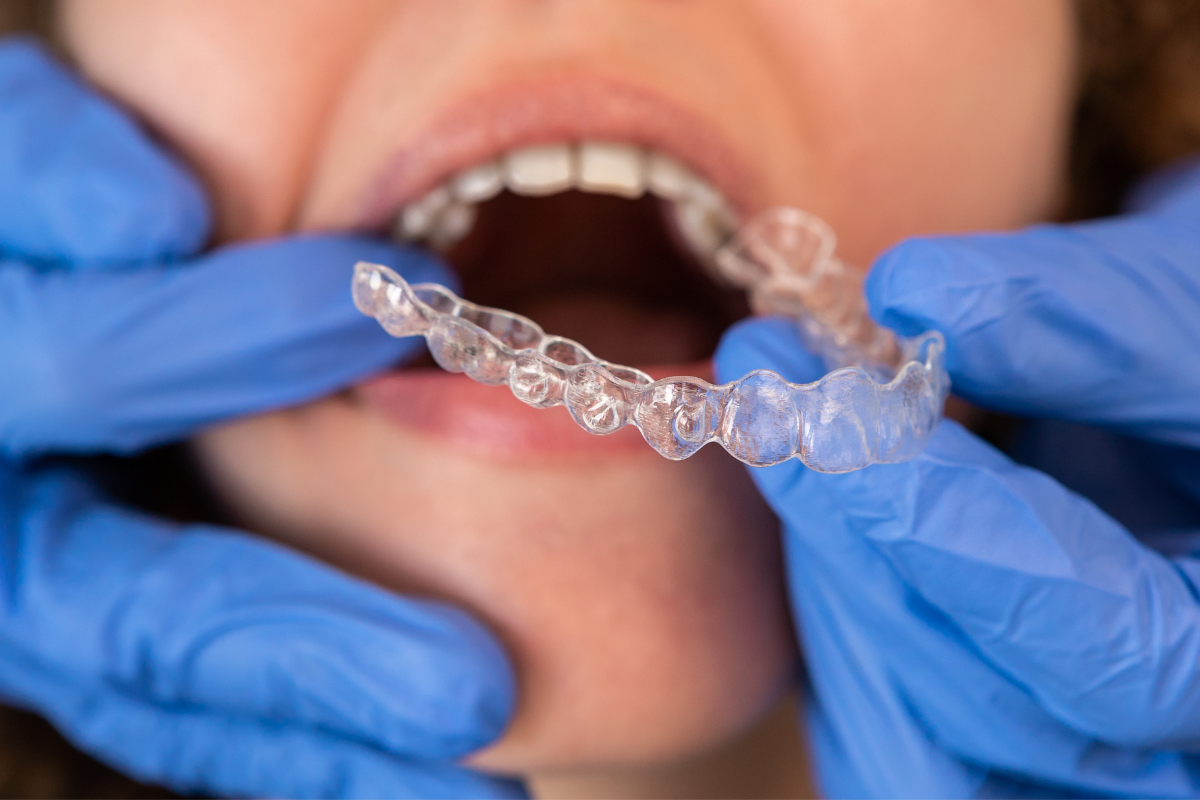
When your child finishes Invisalign First, you may assume the orthodontic journey is complete. Their teeth may look straighter, their bite may have improved, and the aligners that were part of their daily routine may no longer be needed. But there is another important question parents should ask: Will my child need a retainer after Invisalign First?
In many orthodontic cases, retention is an important part of maintaining treatment results. Teeth can gradually shift after active treatment ends, and growing children have an additional consideration: their permanent teeth are still developing and erupting. That means the next step may look different for a child than it does for a teenager or adult who has completed comprehensive orthodontic treatment.
For families exploring Invisalign treatment for kids in Springfield, Missouri, understanding the purpose of retainers can make it easier to plan for the months and years following early orthodontic care. Let’s look at why retention matters, what options may be available, and how parents can help their children maintain healthy dental development.
Does Every Child Need a Retainer After Invisalign First?
Not necessarily in the same way or on the same schedule. Many patients need some form of retention after orthodontic treatment, but the appropriate plan depends on the child’s dental development, treatment goals, and which permanent teeth have erupted.
Invisalign First is designed for selected growing children who may benefit from early orthodontic treatment. Because these children often have a mixture of baby teeth and permanent teeth, their mouths are still changing after the initial aligner series ends.
Your child’s dentist or orthodontist will consider several factors when deciding what should happen next, including:
- Which teeth have moved during treatment
- Whether permanent teeth are still erupting
- How stable the corrected tooth positions appear
- Whether additional orthodontic treatment may be needed later
- Which retention option can accommodate your child’s development
The important point is that finishing the last Invisalign First tray does not automatically mean that no further monitoring or retention is needed. Your child’s provider should explain the next steps before active treatment ends.
Why Do Children Need Retention After Invisalign First?
Retainers help maintain tooth positions after active orthodontic treatment. However, retention after early treatment has some unique considerations.
Teeth Can Naturally Shift After Treatment
Teeth are supported by surrounding bone, gums, and periodontal tissues. After orthodontic movement, these supporting tissues need time to adapt to the new positions. Teeth can also move naturally over time.
Without an appropriate retention plan, some of the alignment achieved during treatment may be lost.
This is why retention is an important consideration after both braces and clear aligner treatment. The specific appliance and wear schedule should be selected by the treating provider.
Permanent Teeth May Still Be Coming In
Unlike comprehensive orthodontic treatment completed after most permanent teeth have erupted, Invisalign First is commonly used during the mixed-dentition stage.
During this period, baby teeth loosen and fall out while permanent teeth emerge. The shape and spacing of the dental arches continue to change as the child grows.
A retainer that works for a relatively stable set of teeth may not be suitable while several teeth are still erupting. Some appliances may need adjustment, replacement, or a different approach as development progresses.
For this reason, retention after Invisalign First requires consideration of both the results already achieved and the changes still expected.
Phase 1 Treatment May Not Be the Final Orthodontic Stage
Invisalign First is generally associated with early or Phase 1 orthodontic treatment. Its purpose is to address selected orthodontic concerns while a child is still growing.
Some children may benefit from further orthodontic treatment, often called Phase 2, once more permanent teeth have erupted. Others may need monitoring before a decision about additional treatment can be made.
A retainer does not replace follow-up appointments or guarantee that a child will never need further orthodontic care. Instead, the provider develops a plan based on the child’s progress and changing dental needs.
What Types of Retainers May Be Used After Invisalign First?
The best retainer for a child depends on the treatment plan and the stage of dental development. Options can include removable retainers made from clear plastic or acrylic and wire, but not every appliance is appropriate for every child.
Clear Retainers
Clear retainers are custom-made appliances that fit over the teeth. They look similar to clear aligners but serve a different purpose.
Aligners are designed to move teeth according to a treatment plan, while retainers are designed primarily to help maintain tooth positions.
Clear retainers may be an option when the child’s dentition is suitable for them. However, parents should not assume that the final Invisalign First tray can automatically serve as a long-term retainer. The provider must determine whether it is appropriate for the child’s specific situation.
Hawley Retainers
A Hawley retainer typically consists of an acrylic portion that rests against the palate or inside the lower arch and a wire that helps hold teeth in position.
One consideration during childhood is that some Hawley retainers can be adjusted as teeth develop, depending on their design and the provider’s treatment plan.
This may make certain designs useful in selected cases involving growing children, but suitability depends on which teeth are erupting and how the appliance is constructed.
Other Retention Approaches
Some children may need a different appliance or a temporary retention strategy between orthodontic treatment phases.
The official Invisalign First FAQ explains that Invisalign and Vivera retainers do not have the eruption-compensation capability needed for some changing dentitions. Consequently, their use between Phase 1 and Phase 2 may be limited to periods when the child’s dentition is sufficiently stable.
This is an important distinction: a retainer that works well for an adult may not be the right choice for a child whose permanent teeth are still erupting.
Your child’s provider should explain which option is appropriate and how it will accommodate future dental development.
How Long Will My Child Need to Wear a Retainer?
There is no single retention schedule that applies to every child after Invisalign First.
The recommended duration and daily wear time depend on the appliance, the child’s treatment goals, the stability of the teeth, and the timing of permanent tooth eruption.
Your provider may recommend a defined period of wear followed by monitoring, or a longer retention plan with adjustments as the child grows. If further orthodontic treatment is anticipated, the plan may also need to account for the transition to Phase 2.
Parents should ask the provider to clarify:
- How many hours per day the retainer should be worn
- Whether it should be removed for meals, brushing, or sports
- When the retainer should be checked or adjusted
- What to do if a baby tooth becomes loose or falls out
- How the provider will monitor permanent tooth eruption
- Whether additional orthodontic treatment may be considered later
Do not reduce wear time simply because the teeth look straight. Likewise, do not continue using an appliance that no longer fits correctly without seeking professional guidance.
What Happens If a Child Does Not Wear a Retainer as Directed?
If a prescribed retainer is not worn consistently, teeth may begin to shift. The amount of movement varies, and it is not possible to predict the effect for every child.
Parents may notice that the retainer feels different, becomes difficult to seat, or no longer fits as it did previously.
If your child stops wearing a retainer or repeatedly forgets it, contact the treating provider for advice. Do not force an appliance onto the teeth if it no longer fits comfortably, and do not change the prescribed wear schedule independently.
It is also worth establishing a simple routine before retention begins. Keeping the appliance in its designated case, connecting wear time to a regular daily activity, and using age-appropriate reminders can help children build consistency.
How Can Parents Care for a Child’s Retainer?
Good retainer care helps keep the appliance clean and makes it easier to recognize problems early.
Clean It According to the Provider’s Instructions
Removable retainers should be cleaned regularly using the method recommended for their material. Avoid hot water, which can distort some plastic appliances, and do not use abrasive products unless specifically recommended.
Your child should also continue brushing twice daily and cleaning between the teeth as appropriate. A retainer does not replace routine oral hygiene.
Store It Safely
When the retainer is not being worn, place it in its protective case rather than wrapping it in a napkin or leaving it on a table.
This is particularly important for school-aged children, who may remove an appliance during lunch or activities and accidentally throw it away or misplace it.
Watch for Changes in Fit
As permanent teeth erupt, the appliance may no longer fit as expected. Contact your provider if the retainer feels unusually tight, looks distorted, cracks, or won’t seat properly.
Do not trim, bend, or otherwise modify it at home.
Keep Follow-Up Appointments
Routine dental visits help monitor oral health, while orthodontic follow-ups assess tooth alignment, retention, and dental development.
These appointments are especially important for children who have completed Phase 1 treatment but have not yet finished growing or erupting their permanent teeth.
Does Needing a Retainer Mean My Child Will Need Braces Later?
No. Wearing a retainer does not automatically mean that your child will need braces or another round of aligner treatment.
The purpose of early orthodontic treatment is to address selected concerns during growth. Whether additional treatment is appropriate depends on how the teeth and jaws develop, how the bite changes, and the original treatment goals.
Some children may need additional orthodontic care as more permanent teeth erupt. Others may be able to continue with monitoring and retention.
A retainer helps maintain tooth positions when prescribed, but it cannot prevent every developmental change or eliminate the need for future assessments.
Your child’s provider can explain what was accomplished during Invisalign First, which changes remain to be monitored, and when a decision about further treatment should be made.
Invisalign Treatment for Kids in Springfield, Missouri
Choosing orthodontic care for a growing child involves more than deciding how to straighten teeth. Parents also need to understand the treatment timeline, follow-up appointments, and what happens after the active aligner phase ends.
At Smile Zone in Springfield, Missouri, we provide children’s dental care and help families understand their options for maintaining healthy smiles. If you are considering Invisalign treatment for kids or have questions about the next steps after early orthodontic treatment, our team can help you determine which questions to discuss during a dental visit.
Every child’s dental development is different. A personalized assessment is important when deciding whether Invisalign First is appropriate, what retention approach may be needed, and how to monitor changes as permanent teeth emerge.
If your child has recently completed early orthodontic treatment, bring your questions about retainers, wear schedules, and future monitoring to the next appointment. Understanding the plan can help your family feel more prepared for the next stage of your child’s dental development.
Frequently Asked Questions
1. Do children always need a retainer after Invisalign First?
Many children need a retention plan after orthodontic treatment, but the type of appliance and timing depend on their dental development. Because permanent teeth may still be erupting, the provider must decide whether a retainer is appropriate and how it should be used.
2. Can my child use the last Invisalign First tray as a retainer?
Not automatically. An aligner is designed to move teeth, while a retainer is intended to maintain their positions. The treating provider should determine whether the final tray can be used temporarily or whether another retention approach is more appropriate.
3. What if my child’s permanent teeth start coming in while wearing a retainer?
Contact the treating provider if a permanent tooth begins erupting in a way that affects the appliance’s fit. Some retainers are not designed to accommodate ongoing tooth eruption, so adjustments or a different plan may be needed.
4. Will my child need Phase 2 orthodontic treatment after Invisalign First?
Not every child will need the same next step. Some children may benefit from additional treatment after more permanent teeth erupt, while others may need observation and retention. The decision depends on the child’s development and treatment goals.
5. How do I know if my child’s retainer no longer fits?
Difficulty seating the appliance, unusual tightness, visible distortion, cracks, or discomfort can indicate that it needs professional evaluation. Do not force it into place or modify it at home. Contact the treating provider for instructions.
Help Your Child Plan for the Next Stage of Orthodontic Care
Finishing Invisalign First is an important milestone, but maintaining the results requires a plan that accounts for both tooth position and ongoing growth. Retention may be an important part of that plan, although the right approach and schedule vary from child to child.
If you are exploring Invisalign treatment for kids in Springfield, Missouri, or have questions about your child’s next steps after early orthodontic care, contact Smile Zone to discuss your concerns and arrange an appropriate visit.
Call Smile Zone at 417-883-5866 or visit our contact page to get in touch with our team.

