



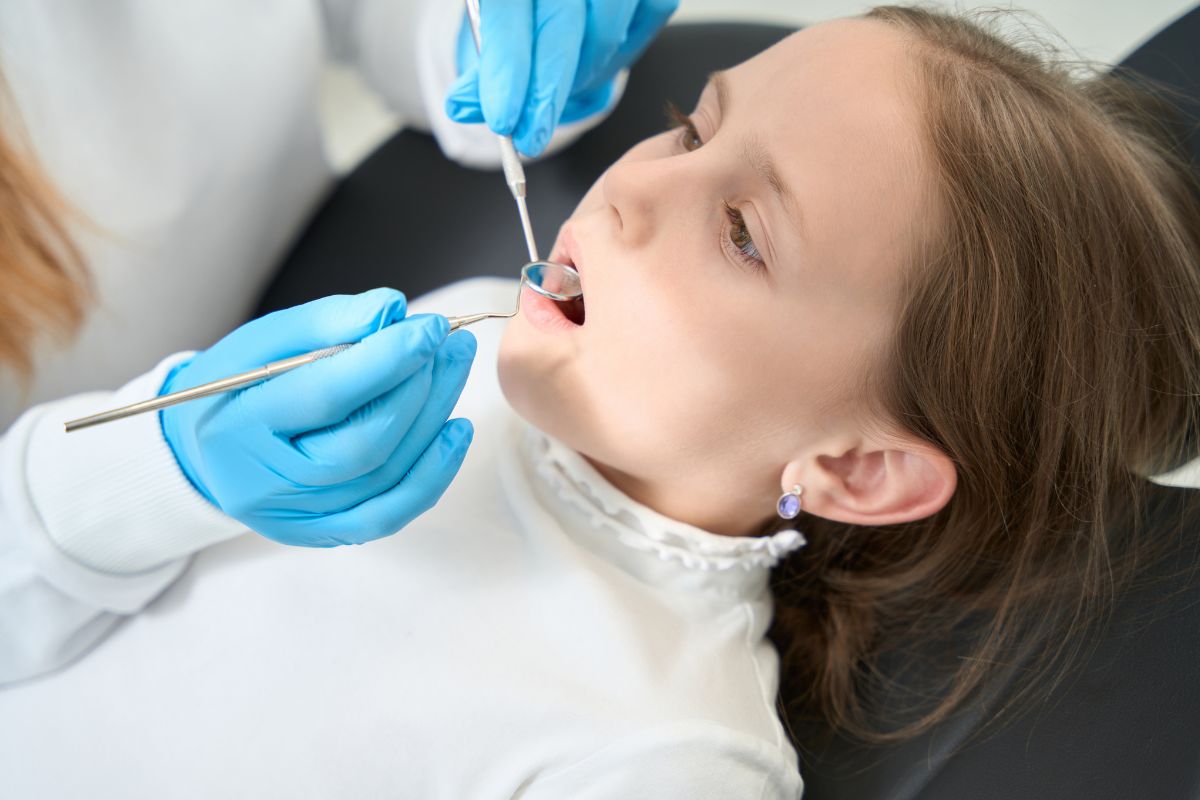
For many families in Springfield, dental sedation can help children receive necessary treatment in a more comfortable and relaxed environment. While parents often focus on preparing for the appointment itself, understanding what happens afterward is equally important. Recovery experiences can vary depending on the type of sedation used and the child’s overall health. Knowing what to expect after the procedure can help parents feel prepared and support their child’s recovery with confidence.
Why Dental Sedation Is Used for Children
Dental sedation is commonly used to help children remain calm during certain dental procedures. It may be recommended for children who experience significant anxiety, have difficulty sitting still, require extensive treatment, or have special healthcare needs.
Following the procedure, children typically need time to recover from the effects of sedation. While most recovery experiences are straightforward, parents should understand what behaviors and symptoms may occur during this period.
Every Child Responds Differently
Some children recover quickly and return to normal activities within a few hours, while others may need additional rest. Factors such as age, treatment type, and the sedation method can influence recovery time.
Monitoring your child closely during the first several hours after treatment is important to ensure a safe and comfortable recovery.
Common Effects After Dental Sedation
Many children experience temporary side effects as the sedation wears off. These effects are usually mild and improve gradually throughout the day.
Drowsiness is one of the most common reactions. Children may appear sleepy, less energetic, or want to nap more than usual. Some children may also feel slightly unsteady when walking, which is why supervision is essential.
Mild Mood Changes
Parents may notice temporary mood changes following sedation. Some children become emotional, irritable, or unusually quiet during recovery.
These reactions are generally short-lived and often resolve once the sedation medications have fully left the body.
Managing Recovery at Home
Creating a calm and comfortable environment can help support your child’s recovery. Encourage rest and avoid activities that require coordination, concentration, or physical exertion until your child feels fully alert.
Families seeking information about pediatric sedation dentistry in Springfield often ask how to make recovery easier at home. Providing a quiet space, offering reassurance, and monitoring your child’s comfort can help make the transition smoother.
Encouraging Hydration
Hydration is important after sedation. Offer water or other approved fluids as directed by your dental team.
Children may not feel hungry immediately after treatment, so starting with liquids and gradually introducing soft foods can often be helpful.
Eating After Dental Sedation
Depending on the procedure performed, your dentist may provide specific dietary instructions. Soft foods are commonly recommended during the initial recovery period.
Foods such as yogurt, applesauce, mashed potatoes, and smoothies may be easier to tolerate while numbness or mild soreness is present. Encourage your child to eat slowly and to avoid very hot foods until sensation has completely returned.
Avoiding Certain Foods
Crunchy, sticky, or hard foods may irritate treated areas and should generally be avoided until your dentist advises otherwise. Following post-treatment instructions can help support proper healing.
Knowing When to Contact the Dentist
Although complications are uncommon, parents should be aware of symptoms that may require professional attention. Persistent vomiting, difficulty breathing, excessive sleepiness, severe pain, or unusual swelling should be reported promptly.
If you have concerns about your child’s recovery, do not hesitate to contact your dental provider for guidance and reassurance.
Follow Post-Treatment Instructions Carefully
Every child and procedure is unique. Carefully following the instructions provided by your dental team can help promote a smooth recovery and reduce unnecessary discomfort.
If you have questions about aftercare, visit our dental office in Springfield for personalized guidance and support.
Dental sedation can play an important role in helping children receive necessary dental care comfortably. Understanding what to expect after treatment allows parents to provide appropriate support during recovery. Temporary drowsiness, mild mood changes, and the need for extra rest are common and generally improve within a short period. By following aftercare recommendations and monitoring your child’s recovery, you can help ensure a positive experience. Contact us today if you have questions about sedation recovery or would like to schedule an appointment.
Frequently Asked Questions
- How long does it take for dental sedation to wear off in children?
Recovery time varies, but many children begin feeling more alert within several hours after treatment. - Is it normal for my child to be sleepy after sedation?
Yes, drowsiness is a common effect as the sedation medication wears off. - Can my child eat immediately after dental sedation?
Your dentist will provide specific instructions, but soft foods and liquids are often recommended initially. - Why is my child emotional after sedation?
Temporary mood changes can occur during recovery and typically resolve within a short time. - Should my child return to normal activities the same day?
Most children benefit from resting and avoiding strenuous activities until they are fully alert. - What symptoms should prompt a call to the dentist?
Persistent vomiting, breathing difficulties, unusual swelling, severe discomfort, or excessive sleepiness should be reported. - How can I make my child more comfortable during recovery?
Provide a quiet environment, encourage hydration, follow post-treatment instructions, and monitor your child closely as they rest.