


When most parents think about orthodontic care, they picture teenagers wearing braces. While this is a common phase for treatment, what many don’t realize is that the most important orthodontic milestone often happens much earlier—around age seven.
This stage is often referred to as the “window of opportunity” in pediatric dentistry. It’s the time when a child’s mouth is undergoing significant changes, making it possible to identify and guide dental development before problems become more complex.
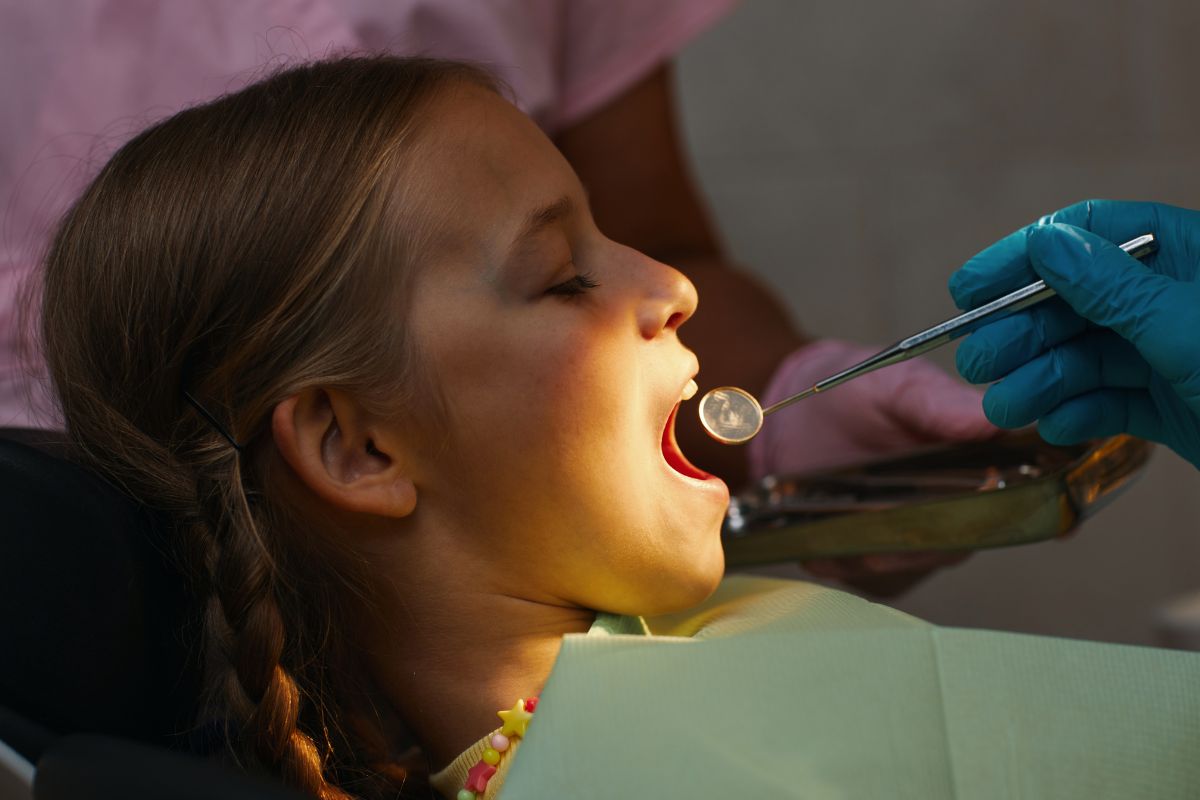
An orthodontic evaluation at this age is not about putting braces on a young child. Instead, it’s about understanding how the teeth and jaw are developing and determining whether early intervention can simplify or even prevent future treatment.
Understanding Jaw Development in Children
To understand why age seven is so critical, it helps to look at how a child’s mouth develops.
By this age, children typically have a mix of:
- Baby teeth (primary teeth)
- Emerging permanent teeth
This transitional phase is known as the mixed dentition stage. It provides a unique opportunity for dentists to evaluate:
- Jaw size and growth direction
- Tooth eruption patterns
- Spacing and crowding
- Bite alignment
At this stage, the jaw is still growing and highly adaptable. Unlike in the teenage years—when bone structures are more established—early childhood offers a chance to guide development naturally.
Why Age 7 Is Considered the “Golden Year”
Around age seven, several key developmental changes occur:
- The first permanent molars erupt
- Front permanent teeth begin to appear
- Jaw growth is active and responsive
These changes allow dentists to detect issues that may not be visible earlier, such as:
- Crowding or lack of space
- Crossbites
- Overbites or underbites
- Jaw discrepancies
Because the jaw is still “plastic” (adaptable), it can be guided more easily. This is why early evaluation is so valuable—it allows for intervention at the most effective time.
The Science Behind Early Intervention
Orthodontic treatment is not just about straightening teeth—it’s about aligning the entire oral system, including the jaw, muscles, and bite.
When intervention happens early:
- Growth patterns can be influenced
- Jaw development can be guided
- Space can be created for incoming teeth
In contrast, waiting until later often means working against fully developed bone structures, which may require more intensive treatment.
Early intervention works with the body’s natural growth, rather than correcting problems after they have fully developed.
What Happens During an Orthodontic Evaluation at Age 7?
An early orthodontic evaluation is simple and non-invasive.
It typically includes:
- Visual examination of teeth and jaw
- Assessment of bite alignment
- Evaluation of spacing and crowding
- Review of oral habits (thumb sucking, tongue thrusting)
- X-rays if necessary
The goal is not to begin treatment immediately but to determine:
- Whether intervention is needed
- The best timing for treatment
- How to monitor development
In many cases, no immediate treatment is required—just periodic observation.
Early Diagnosis: Identifying Problems Before They Grow
One of the biggest advantages of early evaluation is the ability to detect problems before they worsen.
Common Issues Identified Early:
1. Crowding
When there isn’t enough space for permanent teeth, early intervention can help create room.
2. Crossbite
A condition where upper and lower teeth don’t align properly, potentially affecting jaw growth.
3. Overbite or Underbite
Misalignment that can impact chewing and facial balance.
4. Protruding Teeth
Front teeth that stick out are more prone to injury.
5. Harmful Oral Habits
Thumb sucking or tongue thrusting can affect alignment if not addressed early.
Detecting these issues early allows for simpler, more effective solutions.
What Is Interceptive Orthodontics?
Interceptive orthodontics refers to early treatment designed to prevent or reduce the severity of orthodontic problems.
Instead of waiting for issues to become severe, this approach focuses on:
- Guiding jaw growth
- Creating space for teeth
- Correcting bite issues early
It’s a proactive strategy that can significantly improve long-term outcomes.
Common Interceptive Treatments
1. Palatal Expanders
These devices widen the upper jaw, creating space and improving alignment.
They are especially effective during growth phases when the jaw is still developing.
2. Space Maintainers
Used when a baby tooth is lost early, these devices preserve space for permanent teeth.
3. Habit-Breaking Appliances
Designed to stop habits like thumb sucking or tongue thrusting that affect dental development.
4. Partial Braces or Aligners
In some cases, limited orthodontic treatment may be used to correct specific issues early.
How Early Treatment Guides Growth
Early orthodontic appliances don’t just move teeth—they guide how the jaw grows.
This can:
- Improve facial symmetry
- Enhance bite function
- Prevent severe misalignment
Because the jaw is still developing, small adjustments can lead to significant improvements over time.
Benefits of Early Orthodontic Evaluation
1. Prevents Severe Problems
Early detection allows for intervention before issues become complex.
2. Reduces Treatment Time Later
Children who receive early care often require shorter and simpler treatment in their teenage years.
3. Minimizes Need for Extractions
Creating space early can reduce the likelihood of removing teeth later.
4. Improves Confidence
Addressing visible issues early can boost a child’s self-esteem.
5. Enhances Oral Health
Proper alignment makes brushing and flossing easier, reducing the risk of cavities and gum problems.
The Cost and Time Advantage
Many parents worry that early orthodontic evaluation will lead to additional costs. In reality, it often results in long-term savings.
By addressing issues early:
- Complex procedures can be avoided
- Treatment duration is reduced
- Fewer appointments may be needed later
Think of it as an investment in prevention rather than correction.
When Early Treatment May Not Be Needed
It’s important to note that not every child will need immediate orthodontic treatment at age seven.
In many cases, the dentist may recommend:
- Monitoring growth over time
- Scheduling periodic evaluations
- Starting treatment later if needed
The key benefit of early evaluation is knowing what to expect and planning accordingly.
Signs Parents Should Watch For
Even before age seven, parents can look for early indicators of orthodontic issues:
- Difficulty chewing or biting
- Mouth breathing
- Thumb sucking beyond age 4–5
- Crowded or misplaced teeth
- Jaws that shift or make sounds
If any of these signs are present, an early evaluation is especially important.
Long-Term Impact on Your Child’s Smile
Early orthodontic evaluation sets the foundation for:
- Proper alignment
- Healthy jaw development
- Balanced facial structure
- Improved oral function
It ensures that your child’s smile develops naturally and efficiently.
Final Thoughts
The age of seven represents a unique window where growth, development, and opportunity align. It’s not about rushing into treatment—it’s about being proactive, informed, and prepared.
By understanding your child’s dental development early, you can make confident decisions that support their long-term health and well-being.
Smile Zone provides early orthodontic evaluations designed to guide growth and prevent future complications. With a focus on gentle, proactive care, each child receives a personalized plan that supports healthy development.
Schedule your child’s orthodontic evaluation at Smile Zone and take advantage of this critical window of opportunity.