



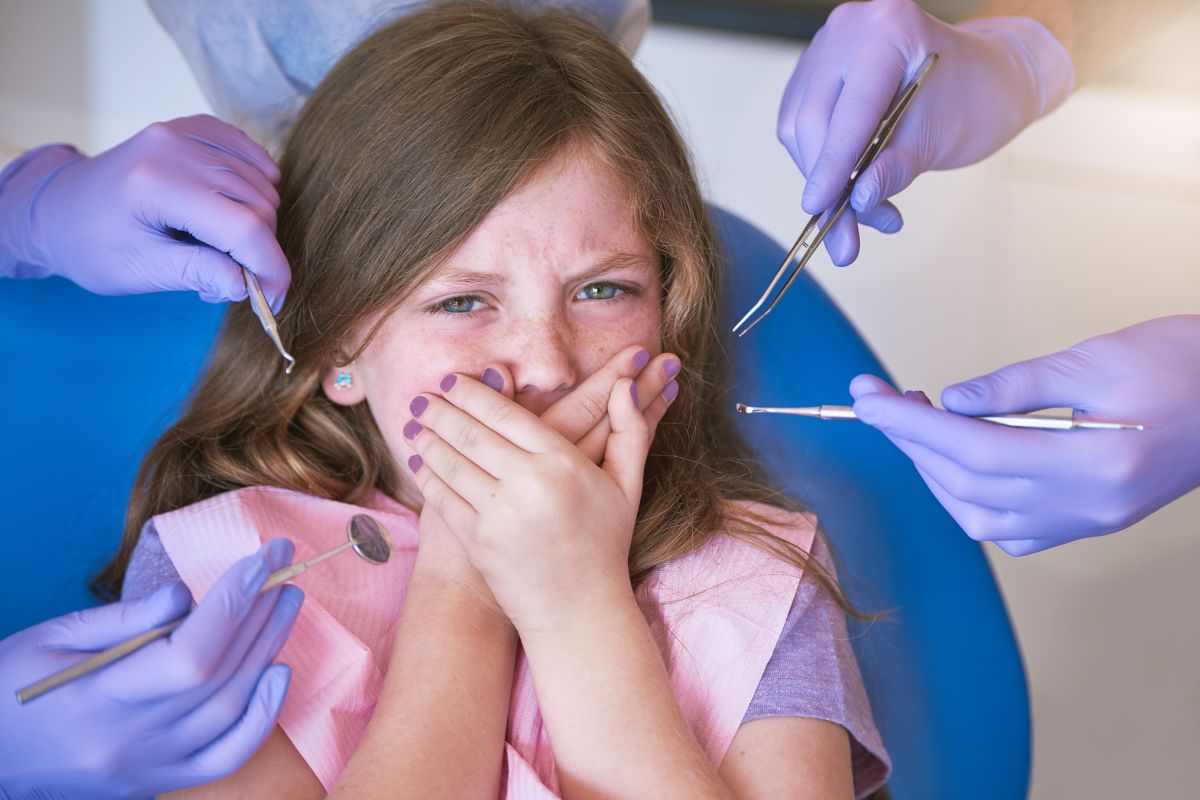
When a child develops significant tooth decay or damage, a simple filling may not be enough to restore the tooth. In such cases, pediatric dental crowns play a crucial role in protecting the tooth, restoring function, and maintaining proper oral development.
Dental crowns for kids are designed to be durable, safe, and effective, especially for primary (baby) teeth that still have an important role to play in chewing, speech, and guiding permanent teeth into position.
What Are Dental Crowns for Kids?
A dental crown is a tooth-shaped cap placed over a damaged or decayed tooth. It covers the entire tooth structure above the gum line, restoring its:
- Shape
- Strength
- Function
- Appearance
Crowns are commonly used in pediatric dentistry when a tooth is too damaged for a filling but still worth saving.
When Does a Child Need a Dental Crown?
Dentists may recommend crowns in the following situations:
- Severe tooth decay
- Large cavities
- Broken or fractured teeth
- After a root canal (pulp therapy)
- Developmental defects in enamel
Preserving baby teeth is important because they help maintain space for permanent teeth and support proper jaw development.
Types of Dental Crowns for Kids
1. Stainless Steel Crowns (SSCs)
These are the most commonly used crowns in pediatric dentistry.
Advantages:
- Highly durable
- Cost-effective
- Quick placement
- Ideal for back teeth
Consideration:
- Metallic appearance
2. Zirconia Crowns
Zirconia crowns are tooth-colored and highly aesthetic.
Advantages:
- Natural appearance
- Strong and biocompatible
- Stain-resistant
Consideration:
- Slightly higher cost
- Requires more precise placement
3. Composite Strip Crowns
These are typically used for front teeth.
Advantages:
- Excellent aesthetics
- Blends with natural teeth
Consideration:
- Less durable than metal options
Benefits of Dental Crowns for Children
1. Restores Function
Children can chew and speak properly after crown placement.
2. Prevents Further Damage
Crowns protect the remaining tooth structure from decay and fracture.
3. Maintains Space for Permanent Teeth
Losing a baby tooth too early can lead to alignment issues.
4. Boosts Confidence
Tooth-colored crowns improve the appearance of the smile.
The Crown Placement Procedure
The process is typically simple and child-friendly:
- Examination and X-rays
- Removal of decay
- Tooth preparation
- Crown selection and fitting
- Cementing the crown
In many cases, stainless steel crowns can be placed in a single visit.
Aftercare Tips for Dental Crowns
Proper care ensures long-lasting results.
Daily Care:
- Brush twice daily
- Floss regularly
- Use fluoride toothpaste
Dietary Tips:
- Avoid sticky candies
- Limit sugary snacks
- Encourage water intake
Habit Management:
- Discourage teeth grinding
- Avoid chewing hard objects
Signs of Crown Issues
Parents should watch for:
- Pain or sensitivity
- Loose crown
- Gum irritation
Prompt dental visits can prevent complications.
Final Thoughts
Dental crowns are a safe and effective solution for restoring damaged teeth in children. They help preserve oral health, function, and confidence.
Choosing the right dental care provider ensures your child receives comfortable, effective treatment. Smile Zone focuses on child-friendly restorative care, helping young patients maintain healthy smiles with advanced solutions like dental crowns.
Schedule a visit with Smile Zone today to protect your child’s smile and ensure long-term oral health.