


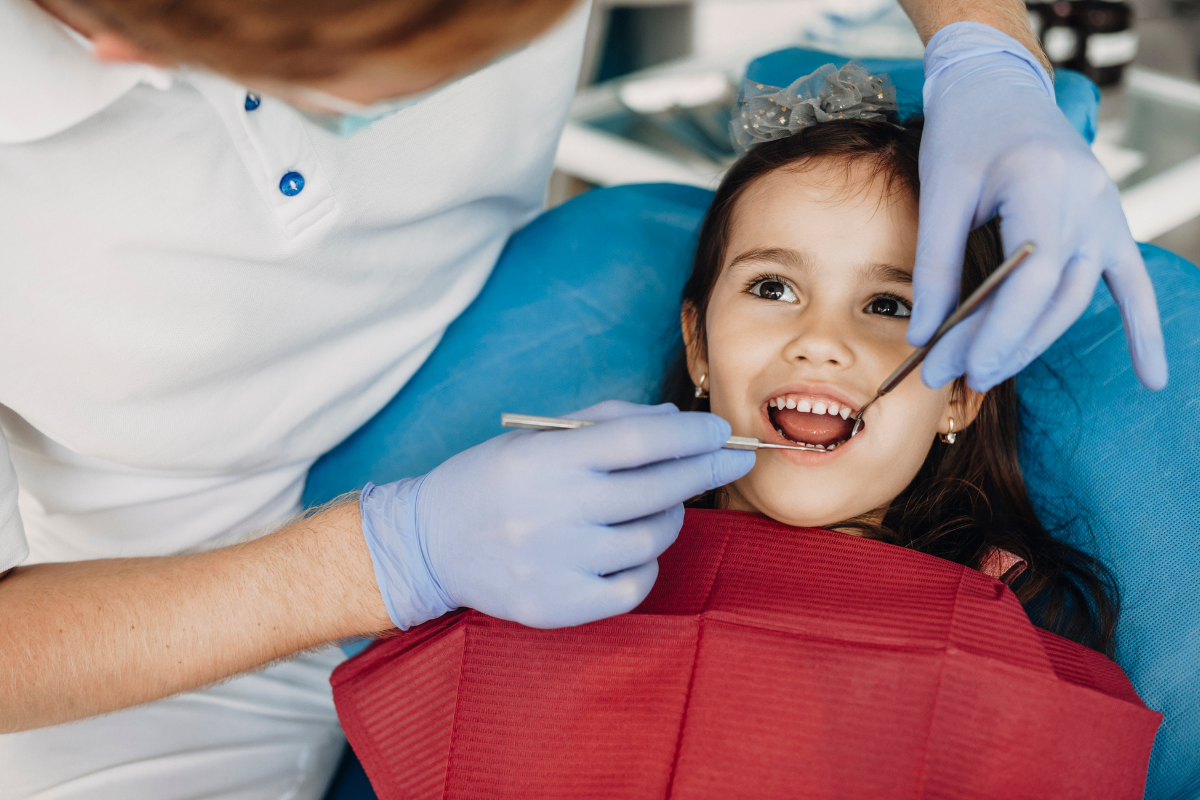
Braces help guide teeth into better alignment, but keeping teeth clean during treatment can take extra effort. Food can collect around brackets and wires, while plaque can build up in areas that are harder to reach with a regular toothbrush. Without a consistent oral hygiene routine, children may develop cavities, swollen gums, bad breath, or white marks on their teeth.
The good news is that a few practical habits can make daily care much easier. With the right tools, a little patience, and support from parents, children can keep their teeth and gums healthy throughout orthodontic treatment.
For families exploring kids orthodontics in Springfield, oral hygiene is an important part of protecting a child’s smile while braces gradually move teeth into position. At Smile Zone, we understand that every child has different needs, and helping children build healthy dental habits is an important part of long-term oral care.
Why Is Cleaning Teeth More Difficult With Braces?
Traditional braces use brackets attached to the teeth and wires that connect them. These components create additional spaces where food particles and plaque can collect.
Plaque is a sticky film of bacteria that forms on teeth throughout the day. When it remains around brackets and along the gumline, it can contribute to tooth decay and gum inflammation.
Children wearing braces may be more likely to miss certain areas when brushing, particularly:
- Around the edges of each bracket
- Between the brackets and the gumline
- Behind the orthodontic wire
- Between neighboring teeth
- Along the inside surfaces of the teeth
- Around the back molars
If plaque remains in these areas, the gums may become red, swollen, or prone to bleeding. Some children may also develop white spots on their enamel, which can be an early sign of mineral loss.
A good cleaning routine helps remove plaque before it causes problems. It also supports healthier teeth and gums while orthodontic treatment is underway.
1. Brush Your Child’s Teeth Twice a Day for Two Minutes
Brushing is the foundation of an effective oral hygiene routine. The American Dental Association recommends brushing twice daily for two minutes with a soft-bristled toothbrush and fluoride toothpaste.
With braces, children need to pay attention to the teeth themselves as well as the areas around their orthodontic brackets.
How to brush teeth with braces
Help your child follow these steps:
- Start with the outside surfaces. Hold the toothbrush at a slight angle toward the gumline and gently clean along the teeth.
- Brush above the brackets. Use short, gentle strokes to clean the tooth surface between the gumline and the top of each bracket.
- Clean below the brackets. Angle the brush toward the area beneath the wire and work carefully around each bracket.
- Brush the chewing surfaces. Clean the tops of the back teeth, where food particles can remain after meals.
- Clean the inside surfaces. Brush the sides of the teeth facing the tongue, taking extra care around the back teeth.
- Finish along the gumline. Check that the toothbrush reaches the edges of the teeth without scrubbing aggressively.
A manual or powered toothbrush can work well when used correctly. Choose one your child can handle comfortably, and replace the brush or brush head when the bristles become worn or frayed.
Younger children may need hands-on help, while older children may benefit from a parent checking their technique until they can clean thoroughly on their own.
2. Use an Interdental Brush to Clean Around Brackets
A regular toothbrush may not reach every space around braces. An interdental brush, sometimes called an orthodontic proxy brush, can help clean around brackets and underneath the wire.
These small brushes are designed to reach narrow spaces that are difficult to access with a standard toothbrush.
How to use an interdental brush safely
- Choose a brush that fits the space without forcing it.
- Gently move it around the sides of brackets and beneath the wire where accessible.
- Use it to remove visible food particles and plaque from hard-to-reach areas.
- Rinse the brush during use and clean it afterward according to the manufacturer’s instructions.
- Replace it when the bristles become worn.
The brush should not be forced between teeth or pushed into the gums. If it does not fit comfortably, ask your child’s dental professional which size or cleaning tool is appropriate.
An interdental brush complements regular brushing; it does not replace it.
3. Make Flossing Part of Your Child’s Daily Routine
Brushing cleans many tooth surfaces, but it cannot fully clean the tight spaces between teeth. Flossing once a day helps remove plaque and food debris from these areas.
Flossing can feel more complicated with braces because the wire gets in the way. Fortunately, there are tools that can make the process easier.
Floss threaders
A floss threader helps guide dental floss beneath the orthodontic wire so your child can clean between neighboring teeth. Once the floss is positioned, gently move it along the sides of each tooth rather than snapping it into the gums.
Orthodontic floss
Some floss products are designed with stiff ends or sections that make it easier to work around braces. These may be convenient for children who find a traditional floss threader difficult to use.
Water flossers
A water flosser directs a stream of water around the teeth and orthodontic appliances. It can be useful for children who struggle with manual flossing or have difficulty handling small cleaning tools.
A water flosser can be a helpful addition to an oral hygiene routine, but ask your child’s dentist or orthodontic provider whether it is appropriate as part of their individual care plan.
The most important thing is to choose a method your child can use consistently and effectively.
4. Help Your Child Choose Braces-Friendly Foods
Food choices can affect both oral health and the condition of orthodontic appliances. Some foods are more likely to stick around brackets, while hard or sticky foods can damage braces.
Encourage your child to choose foods that are easier to chew and less likely to get trapped around the appliances.
Foods that may be easier to eat with braces
Depending on your child’s individual instructions, suitable choices may include:
- Yogurt and soft cheese
- Eggs
- Oatmeal
- Soft-cooked vegetables
- Bananas and other soft fruits
- Rice, pasta, and other cooked grains
- Tender meat cut into small pieces
- Smoothies without added sugar
Foods to limit or avoid
Your child’s orthodontic provider may recommend avoiding foods such as:
- Hard candies and ice
- Sticky caramels and taffy
- Chewy candies
- Popcorn kernels
- Hard pretzels or similarly crunchy snacks
- Whole raw apples or carrots that require biting directly into them
Cutting appropriate fruits and vegetables into smaller pieces can make them easier to eat. Follow the specific dietary instructions provided for your child’s braces.
Sugary snacks and drinks also deserve attention. Frequent exposure to sugar can increase the risk of tooth decay, especially when plaque collects around brackets. Water is a good everyday drink, and rinsing with water after a meal can help dislodge loose food particles when brushing is not immediately possible.
5. Create a Simple After-Meal Cleaning Routine
Children do not always have access to a toothbrush after lunch or an afternoon snack. That does not mean their oral hygiene routine has to stop while they are at school or participating in activities.
A small orthodontic care kit can help your child manage food particles between full brushing sessions.
Consider packing:
- A travel toothbrush and fluoride toothpaste
- An interdental brush
- A compact mirror
- Orthodontic wax, if recommended
- A small case to keep cleaning tools sanitary
After eating, your child can check for trapped food and rinse their mouth with water. If possible, brushing after meals can help remove food and plaque from around the braces.
If brushing at school is not practical, make sure your child completes a thorough cleaning at home, particularly before bedtime.
The goal is to establish a routine that is realistic for your family’s schedule and easy for your child to follow consistently.
6. Watch for White Spots, Bleeding Gums, and Bad Breath
Good oral hygiene is not only about removing food from braces. It also means paying attention to changes in your child’s teeth and gums.
White spots around brackets
White or chalky marks near brackets can be a sign of enamel demineralization. They may develop when plaque remains on the teeth and minerals are lost from the enamel.
These marks can be difficult to reverse once established, so prevention is important. Encourage thorough brushing, daily cleaning between teeth, and regular dental checkups.
Red or swollen gums
Plaque along the gumline can irritate the gums, causing redness, swelling, or bleeding during brushing. Improve cleaning technique without scrubbing aggressively, and contact your child’s dental professional if symptoms persist or worsen.
Persistent bad breath
Food trapped around brackets and plaque buildup can contribute to unpleasant breath. A thorough cleaning of the teeth, tongue, and spaces around braces may help. If bad breath continues despite good oral hygiene, ask a dental professional to evaluate the cause.
Tooth pain or unusual sensitivity
Some temporary soreness can occur after braces are adjusted, but persistent pain or significant sensitivity should not automatically be attributed to orthodontic treatment. Contact your child’s dental professional for guidance, especially if pain is accompanied by swelling or other concerning symptoms.
7. Keep Regular Dental Checkups During Orthodontic Treatment
Orthodontic appointments focus on monitoring tooth movement and checking the braces or other appliances. They do not replace routine dental examinations and professional cleanings.
Your child still needs ongoing preventive dental care while wearing braces. Regular visits allow the dental team to check for cavities, assess gum health, and identify areas that may need more attention.
At Smile Zone, we provide children’s dental care in Springfield, Missouri, including preventive services designed to support healthy teeth and gums. Our team can help families understand their child’s oral health needs and build habits that support a healthy smile.
Ask your child’s dental provider how often examinations and professional cleanings should be scheduled during orthodontic treatment. The recommended timing may vary depending on the child’s oral health, risk of cavities, and individual treatment plan.
8. Make Oral Hygiene Easier for Children Who Need Extra Support
Some children find brushing and flossing challenging because of sensory sensitivities, difficulty with fine motor skills, anxiety, or trouble following a multi-step routine.
A flexible approach can make daily care more manageable.
Try these strategies:
- Use a visual checklist. Break brushing into simple steps that your child can follow.
- Choose comfortable tools. A soft-bristled or powered toothbrush may be easier for some children to use.
- Practice one step at a time. Introduce flossing or interdental brushes gradually if the process feels overwhelming.
- Use a consistent routine. Brushing at the same times each day can make the habit more predictable.
- Offer support without pressure. Help your child complete difficult steps while encouraging independence where possible.
If your child has sensory or physical needs that make oral hygiene difficult, discuss them with the dental team. They may be able to suggest adaptations or tools that fit your child’s abilities.
The best routine is one that cleans effectively while remaining manageable for the child and family.
Frequently Asked Questions
How often should kids brush their teeth with braces?
Children should generally brush twice a day for two minutes with fluoride toothpaste and a soft-bristled toothbrush. Brushing after meals can also help remove food particles from around brackets and wires.
What is the best toothbrush for a child with braces?
Both manual and powered toothbrushes can be effective. Choose a soft-bristled brush that allows your child to clean around brackets and along the gumline comfortably. Technique and consistency matter more than choosing one particular style.
Can a water flosser replace regular flossing with braces?
A water flosser can help clean around orthodontic appliances and may be useful for children who struggle with traditional floss. However, the best combination of cleaning tools depends on your child’s needs. Ask their dental professional whether a water flosser is suitable as part of their routine.
How can parents prevent white spots around braces?
Help your child remove plaque thoroughly by brushing twice daily, cleaning between teeth once a day, and following the dental team’s recommendations. Limiting frequent sugary snacks and drinks also helps reduce the risk of tooth decay and enamel damage.
Should my child still get regular dental cleanings while wearing braces?
Yes. Orthodontic appointments do not replace routine dental checkups and professional cleanings. Continue preventive dental visits as recommended by your child’s dental provider to monitor gum health, check for cavities, and address any concerns.
Support Your Child’s Smile Throughout Orthodontic Treatment
Keeping teeth clean with braces takes patience, practice, and the right tools. A consistent routine that includes brushing, daily cleaning between teeth, sensible food choices, and regular dental visits can help protect your child’s oral health throughout treatment.
If you are exploring kids orthodontics in Springfield, Missouri, or need help supporting your child’s dental health while wearing braces, Smile Zone is here to help. We provide pediatric dental care with attention to each child’s individual needs, including preventive care and orthodontic services.
Contact Smile Zone to schedule an appointment or discuss your child’s dental care needs.
Let’s work together to help your child maintain a clean, healthy smile during every stage of orthodontic treatment.

