



An overbite is one of the most common bite concerns parents notice as their child’s permanent teeth begin to develop. You may see that the upper front teeth overlap the lower teeth more than expected, or your child may have difficulty biting, chewing, or closing their mouth comfortably. In some cases, an overbite is mild and may not require immediate treatment. In others, it can affect your child’s developing smile, bite, and oral health.
Understanding what causes an overbite, when it becomes a concern, and when professional treatment may be recommended can help you make informed decisions about your child’s dental care. If you are looking for a Kids Dentist Springfield parents can turn to for personalized pediatric dental guidance, Smile Zone provides children-focused dental care in Springfield, Missouri.
What Is an Overbite?
An overbite occurs when the upper front teeth extend over the lower front teeth when the mouth is closed. A small amount of vertical overlap is normal and helps the teeth function properly.
The concern arises when the overlap is excessive.
A significant overbite may involve the upper teeth covering too much of the lower teeth or, in more pronounced cases, the lower teeth coming into contact with the roof of the mouth. Because children’s jaws and teeth are still developing, identifying bite problems early can be important.
An overbite may develop because of:
- Genetics and natural jaw development
- Differences in upper and lower jaw growth
- Crowded or improperly positioned teeth
- Prolonged thumb or finger sucking
- Extended pacifier use
- Tongue-thrusting habits
- Certain childhood oral habits
- A mismatch between tooth and jaw size
Not every overbite requires orthodontic treatment. A dental professional can evaluate your child’s bite and determine whether monitoring or intervention is appropriate.
How Can You Tell If Your Child Has an Overbite?
Some overbites are easy to see, while others may only become apparent during a professional dental examination.
Parents may notice:
- Upper front teeth covering much of the lower teeth
- Lower teeth appearing unusually far behind the upper teeth
- Difficulty biting into certain foods
- Changes in chewing patterns
- Speech difficulties in some cases
- Jaw discomfort
- Frequent biting of the inside of the cheeks
- Teeth that appear unusually worn
- The lower jaw appearing positioned farther back
- Difficulty keeping the lips comfortably closed
It is important not to diagnose an overbite based only on appearance. Children have different stages of dental development, and what looks unusual to a parent may be a normal part of growth.
That is why regular dental visits are valuable.
Does Every Child With an Overbite Need Treatment?
No.
A mild overbite may not require treatment at all. Your child’s dental team may simply monitor how the teeth and jaws develop over time.
Treatment may become more appropriate when an overbite is:
- Significant or worsening
- Affecting chewing or biting
- Causing discomfort
- Contributing to excessive tooth wear
- Affecting the position of other teeth
- Associated with jaw development concerns
- Increasing the risk of injury to protruding teeth
- Affecting your child’s confidence or quality of life
The appropriate approach depends on your child’s age, dental development, bite, jaw growth, and overall oral health.
At Smile Zone, we consider these factors rather than recommending the same approach for every child.
Why Early Evaluation Can Matter
Children’s mouths are constantly changing as baby teeth are replaced by permanent teeth. This period of growth can provide an opportunity to identify developing bite problems before they become more complicated.
An early evaluation doesn’t automatically mean your child needs braces.
Instead, it allows a dental professional to determine:
- How your child’s teeth are developing
- Whether the bite appears balanced
- Whether jaw growth may be contributing to the overbite
- Whether certain oral habits are affecting development
- Whether orthodontic evaluation may be appropriate
- Whether the condition should simply be monitored
In some cases, early guidance can help parents understand what to expect as their child grows.
What Happens During an Overbite Evaluation?
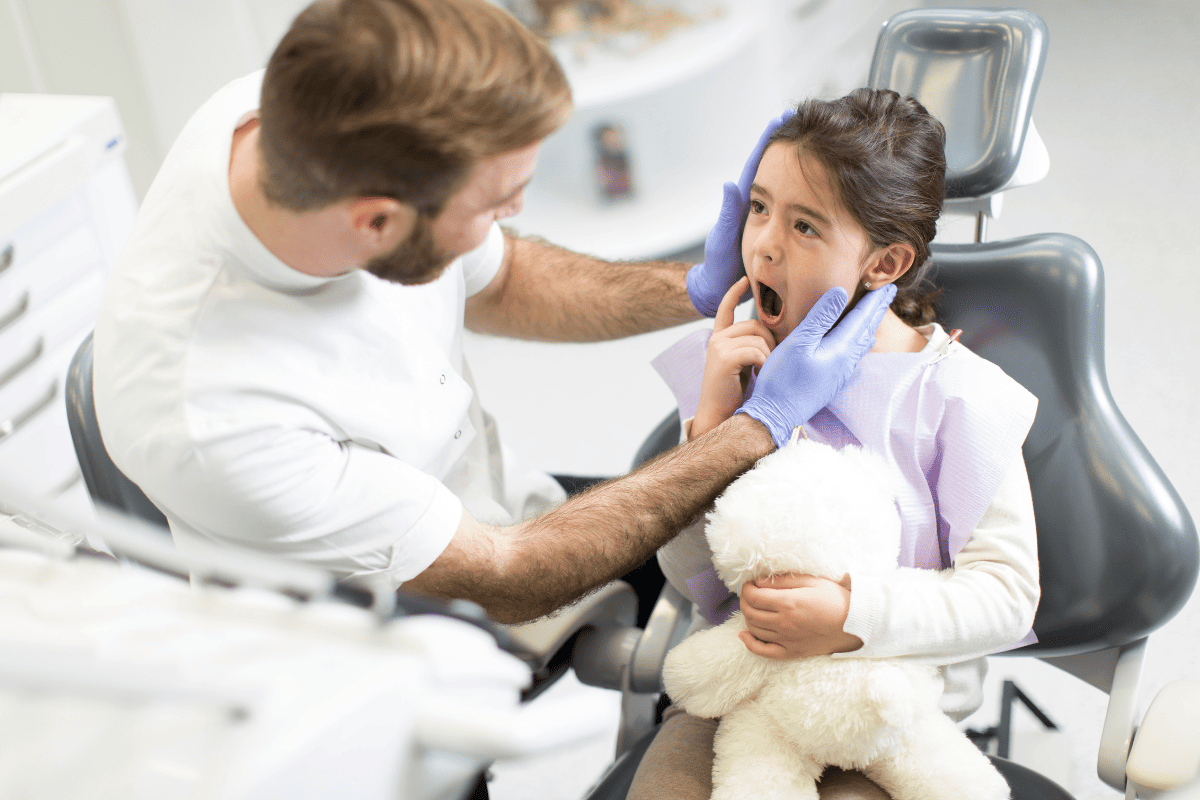
If you bring your child to a local dental practice because you are concerned about an overbite, the first step is usually a comprehensive examination.
1. We Examine the Teeth
We look at the position, development, and condition of your child’s teeth. We also consider which permanent teeth have erupted and which are still developing.
2. We Evaluate the Bite
The way the upper and lower teeth come together provides important information. We assess the amount of overlap and look for other bite concerns.
3. We Consider Jaw Development
An overbite isn’t always caused by the teeth alone. Differences in jaw growth can contribute to the appearance and severity of the bite.
4. We Discuss Habits
Certain childhood habits can influence dental development. We may discuss thumb sucking, pacifier use, tongue positioning, or other factors when relevant.
5. We Recommend the Appropriate Next Step
Depending on your child’s individual needs, we may recommend continued observation, preventive guidance, treatment, or consultation with an orthodontic provider.
Our goal is to make sure parents understand why a particular recommendation is being made.
Can an Overbite Correct Itself?
Some mild bite differences can change naturally as a child’s jaw and permanent teeth develop. However, parents should not assume that a significant overbite will automatically disappear.
Growth patterns vary from child to child.
A dental evaluation can help determine whether the overbite appears likely to improve naturally or whether it should be monitored more closely.
If treatment is potentially beneficial, identifying the concern early can help parents understand their options before the bite becomes more difficult to manage.
Does Thumb Sucking Cause an Overbite?
Prolonged thumb or finger sucking can influence the position of developing teeth and the shape of the dental arches.
Children naturally use sucking behaviors during infancy. The concern is usually prolonged or intense habits as the mouth and permanent teeth continue developing.
If your child continues to suck their thumb or finger, talk with your dental provider rather than using punishment or pressure.
At Smile Zone, we can help parents understand how oral habits may affect their child’s developing smile and discuss age-appropriate strategies when needed.
What Treatments May Be Used for an Overbite?
Treatment depends on the severity and cause of the overbite.
Depending on your child’s individual situation, an orthodontic provider may consider options such as:
- Growth monitoring
- Habit correction
- Orthodontic appliances
- Braces
- Other bite-correcting appliances
- Clear aligners in appropriate cases
- Comprehensive orthodontic treatment
Not every child needs the same treatment, and treatment timing can vary considerably.
For younger children, monitoring growth may be the most appropriate approach. For others, intervention may be recommended during a particular stage of dental development.
This is why professional evaluation is more useful than trying to determine treatment needs based solely on photographs or online information.
When Should Parents Schedule an Evaluation?
Parents should consider discussing an overbite with their child’s dentist if they notice significant tooth overlap, changes in chewing, discomfort, or other unusual bite patterns.
You should also mention the concern during your child’s regular dental appointment.
An evaluation may be especially useful if:
- Your child’s upper teeth significantly overlap the lower teeth
- The lower teeth touch the roof of the mouth
- Your child has difficulty biting or chewing
- Your child experiences jaw discomfort
- Teeth appear excessively worn
- Permanent teeth are erupting unusually
- Your child has a persistent thumb-sucking habit
- You are concerned about jaw development
Early evaluation doesn’t necessarily mean immediate treatment. It simply gives you more information about your child’s developing smile.
How Smile Zone Supports Children’s Dental Health in Springfield
At Smile Zone, we understand that children’s dental needs change as they grow.
Our approach focuses on creating a comfortable environment where children can receive appropriate oral care while parents receive clear information about their child’s dental development.
As a children’s dental provider in Springfield, Missouri, we provide services designed around the unique needs of younger patients. From preventive dental care to identifying developing dental concerns, our team works with families to support healthy smiles.
When an overbite or other bite concern is identified, we can explain what we see, answer your questions, and help determine the appropriate next step.
Our services are focused on more than treating individual teeth. We look at your child’s overall oral health and development so families can make informed decisions about their care.
Frequently Asked Questions
1. Is an overbite normal in children?
A small amount of overbite is normal and helps the upper and lower teeth function properly. A significantly excessive overbite, however, may require monitoring or treatment. Your child’s dentist can determine whether the bite is developing normally.
2. What age should a child be evaluated for an overbite?
There isn’t one specific age that applies to every child. Children should receive regular dental examinations as their teeth develop. If you notice a significant overbite or other bite concern, discuss it with your child’s dental provider as soon as possible.
3. Will my child automatically need braces for an overbite?
No. Some overbites are mild and may only require observation. If treatment is necessary, the appropriate option depends on your child’s age, dental development, jaw growth, and the severity and cause of the overbite.
4. Can thumb sucking make an overbite worse?
Prolonged thumb or finger sucking can affect the developing teeth and dental arches. If the habit continues as permanent teeth begin developing, it may contribute to certain bite problems. We can help parents understand whether a child’s habit may be affecting their oral development.
5. Where can I take my child for an overbite evaluation in Springfield?
If you’re concerned about your child’s bite, Smile Zone provides children’s dental care in Springfield, Missouri. Kids Dentist Springfield can evaluate your child’s teeth and bite, discuss your concerns, and help determine whether monitoring, dental care, or an orthodontic evaluation may be appropriate.
Help Your Child Build a Healthy, Confident Smile
An overbite doesn’t always mean that your child needs orthodontic treatment, but it is worth having the concern evaluated when the overlap appears significant, or you notice changes in your child’s bite.
The earlier parents understand what is happening with their child’s developing teeth and jaws, the easier it can be to make informed decisions about future care.
At Smile Zone, we provide personalized children’s dental services in Springfield, Missouri, with an emphasis on comfortable visits, preventive care, and helping families understand their child’s oral health needs.
If you have noticed an overbite, crowded teeth, unusual tooth positioning, or changes in your child’s bite, schedule a visit with Smile Zone today. We can evaluate your child’s smile and help you understand the next best step.