



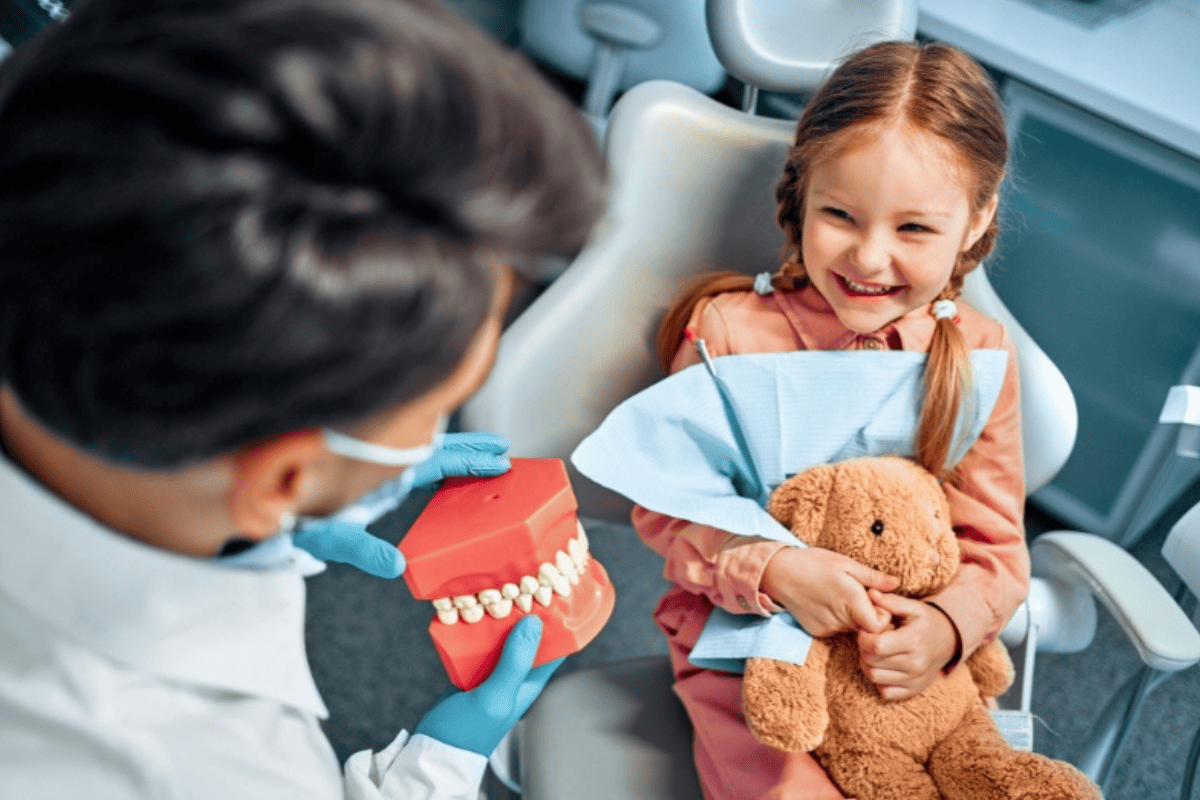
A broken permanent tooth can be frightening for both children and parents. Whether it happens during sports, a playground accident, a fall, or an unexpected impact, knowing what to do immediately can make the situation easier to manage. A chipped tooth may need only minor repair, while a deeper fracture can expose the inner part of the tooth and require prompt dental treatment.
The most important step is to stay calm, protect the injured tooth, and arrange a dental evaluation as soon as possible. If your child has broken a permanent tooth and you are looking for a Pediatric Emergency Dentist Springfield, families can contact Smile Zone for urgent dental concerns. Smile Zone provides pediatric dental care in Springfield, Missouri.
Is a Broken Permanent Tooth a Dental Emergency?
It can be.
Not every chipped tooth requires emergency treatment, but a permanent tooth that has been significantly broken should be evaluated by a dental professional.
A dental emergency may be more likely when your child has:
- Severe or persistent tooth pain
- Bleeding from the injured tooth
- A large piece of the tooth has broken off
- A visible crack extending toward the gum
- A pink or red area visible inside the tooth
- Facial or gum swelling
- Difficulty biting or chewing
- Significant sensitivity to hot or cold
- A loose or displaced tooth
- A dental injury involving several teeth
A fracture can sometimes damage the inner pulp of the tooth even when the outside injury doesn’t look dramatic.
That’s why parents shouldn’t rely solely on appearance to decide whether treatment is necessary.
What Should You Do Immediately After Your Child Breaks a Tooth?
The first few minutes after a dental injury can be stressful. Try to keep your child calm and follow these basic steps.
1. Stay Calm and Reassure Your Child
Children often become more frightened when they see blood or realize their tooth is damaged.
Speak calmly and let your child know that you’re going to help them.
Keeping your child relaxed can also make it easier to examine the mouth and determine what happened.
2. Have Your Child Rinse Their Mouth
If your child is able to rinse safely, have them gently rinse their mouth with clean, lukewarm water.
This can help remove blood, dirt, or small tooth fragments.
Avoid vigorous swishing if the mouth is painful.
3. Control Any Bleeding
If the gums or soft tissues are bleeding, gently place clean gauze or a clean cloth over the area and apply light pressure.
If bleeding is heavy or doesn’t stop, seek urgent medical attention.
4. Use a Cold Compress
If your child’s lip, cheek, or face is swollen, place a cold compress on the outside of the affected area.
Use it for short periods at a time rather than applying ice directly to the skin.
A cold compress can help reduce swelling and discomfort following an injury.
5. Find the Broken Tooth Fragment
If you can locate the broken piece of the permanent tooth, save it.
Place the fragment in a clean container with milk or saline and bring it with your child to the dental appointment.
Don’t scrub or attempt to disinfect the fragment aggressively.
Your dental provider can determine whether the piece may be useful for treatment.
6. Contact a Dental Provider Promptly
Don’t wait several days to see whether the tooth feels better.
Contact a pediatric dental provider as soon as possible so the injury can be evaluated.
At Smile Zone, we provide pediatric dental care for children in Springfield, Missouri, including evaluation of dental injuries and urgent oral health concerns.
What If the Tooth Is Cracked but Still in Place?
A cracked tooth may not always be obvious.
Your child may experience:
- Pain when biting
- Sensitivity to cold
- Pain that comes and goes
- A sharp edge on the tooth
- Discomfort when chewing
- Increased sensitivity after the injury
Some cracks can extend into deeper layers of the tooth.
Even if the tooth hasn’t fallen out or a large piece hasn’t broken away, your child should be evaluated if they have symptoms after an injury.
What If the Tooth Is Completely Knocked Out?
A completely knocked-out permanent tooth requires prompt dental attention.
If this happens:
- Pick up the tooth by the crown, the part normally visible in the mouth.
- Avoid touching the root.
- If the tooth is dirty, gently rinse it with clean water.
- Do not scrub the root.
- If possible and safe, the tooth may be gently placed back into its socket.
- If reinsertion isn’t possible, keep the tooth moist in milk or an appropriate tooth-preservation solution.
- Contact a dental provider immediately.
A knocked-out permanent tooth is different from a knocked-out baby tooth. Parents should not attempt to put a baby tooth back into the socket.
If you’re unsure whether the injured tooth is permanent or primary, contact a dental professional for guidance.
What If You Can’t Find the Broken Tooth?
Don’t panic.
A tooth fragment can sometimes be difficult to locate after an accident.
Check the area where the injury occurred and look around your child’s clothing, sports equipment, or the surrounding floor.
If you still can’t find it, your child should be evaluated if there is any possibility that the fragment was swallowed or inhaled.
If your child has trouble breathing, persistent coughing, choking, or other signs of respiratory distress, seek emergency medical attention immediately.
Why Does a Broken Permanent Tooth Need Prompt Treatment?
Permanent teeth are designed to last throughout adulthood.
When one is damaged during childhood, protecting it becomes especially important.
A fracture can expose deeper layers of the tooth and potentially allow bacteria to reach the pulp.
Depending on the injury, untreated damage may contribute to:
- Increased sensitivity
- Tooth pain
- Infection
- Pulp inflammation
- Further cracking
- Difficulty chewing
- Changes in the appearance of the smile
Getting the tooth evaluated promptly allows a dentist to determine the extent of the damage and recommend appropriate treatment.
How Is a Broken Permanent Tooth Treated?
Treatment depends on the location and severity of the fracture.
Minor Chips
A small chip may sometimes be repaired with a tooth-colored restorative material.
In some cases, the dentist may simply smooth a minor sharp edge and monitor the tooth.
Larger Fractures
A larger break may require restorative treatment to rebuild the damaged portion of the tooth.
The treatment approach depends on how much healthy tooth structure remains.
Damage to the Pulp
If the fracture reaches the inner pulp of the tooth, additional treatment may be necessary.
Your child’s dentist will evaluate the tooth and determine the appropriate approach.
Extensive Damage
A severely damaged tooth may require more complex restorative care.
The goal is to preserve the permanent tooth whenever possible and help your child maintain healthy function.
What Happens During an Emergency Dental Evaluation?
When your child arrives at a dental clinic after breaking a permanent tooth, our team will first focus on understanding what happened and how your child is feeling.
Depending on the injury, we may:
- Examine the damaged tooth
- Check surrounding teeth and gums
- Evaluate the child’s bite
- Look for signs of more serious damage
- Assess soft-tissue injuries
- Take dental X-rays when appropriate
- Discuss treatment options
- Provide recommendations for follow-up care
We also understand that children may feel nervous after an accident.
Our goal is to make the experience as comfortable and reassuring as possible while addressing the dental problem.
When Should You Go to the Emergency Room Instead?
Some dental injuries require medical attention in addition to dental care.
Seek emergency medical care if your child has:
- Difficulty breathing
- Trouble swallowing
- Severe facial trauma
- Loss of consciousness
- Suspected serious head injury
- Uncontrolled bleeding
- Severe swelling affecting breathing
- Signs of a potentially serious jaw injury
For a tooth-specific emergency without these serious medical symptoms, a pediatric dental provider can evaluate the injury and determine the appropriate dental treatment.
If you’re uncertain about where to go, contact a dental professional or emergency medical provider for guidance.
How Can Parents Prevent Broken Teeth?
You can’t prevent every childhood accident, but you can reduce the risk of dental injuries.
Consider these precautions:
- Have children wear properly fitted mouthguards during contact sports.
- Encourage children not to chew ice or hard objects.
- Don’t use teeth to open packages or containers.
- Make sure bicycles and recreational equipment are used safely.
- Encourage children to avoid running while holding hard objects.
- Maintain regular dental visits to monitor overall oral health.
A properly fitted athletic mouthguard can be particularly useful for children who participate in sports where facial impacts are possible.
Why Choose Smile Zone for Pediatric Dental Emergencies in Springfield?
When your child breaks a permanent tooth, you want more than a quick answer—you want a dental team that understands children’s dental needs.
At Smile Zone, we provide pediatric dental services in Springfield, Missouri, including care for children experiencing urgent dental concerns.
Our approach focuses on:
- Child-friendly dental care
- Prompt evaluation of dental injuries
- Clear communication with parents
- Personalized treatment recommendations
- Preventive guidance
- Comfortable dental visits
- Comprehensive children’s oral care
Whether your child has chipped a tooth during sports, fractured a tooth after a fall, or developed pain following an injury, our team can evaluate the situation and help determine the appropriate next step.
Our local dental practice is committed to helping Springfield families feel informed and supported when unexpected dental problems occur.
Frequently Asked Questions
Is a broken permanent tooth in a child an emergency?
It can be, especially if the tooth is painful, bleeding, loose, severely fractured, or has visible damage to its inner structure. Even a minor-looking fracture should be evaluated if your child develops pain or sensitivity after an injury.
What should I do with my child’s broken tooth piece?
Save the fragment and bring it with your child to the dental appointment. Keep it moist in milk or saline, and avoid scrubbing or damaging the piece.
Can a broken permanent tooth be repaired?
Many broken teeth can be restored, but the treatment depends on how extensive the damage is. A dentist may recommend bonding, restorative treatment, or other procedures depending on the fracture.
Should I take my child to the ER for a broken tooth?
For a tooth-specific injury without serious medical symptoms, a pediatric dental provider may be the appropriate first point of contact. However, injuries involving difficulty breathing, uncontrolled bleeding, loss of consciousness, severe facial trauma, or suspected serious head injury require emergency medical attention.
Where can I take my child for emergency dental care in Springfield?
Smile Zone provides pediatric dental care in Springfield, Missouri, including evaluation of children’s dental injuries. If your child has broken a permanent tooth, contact our team to discuss the injury and determine the appropriate next step.
Protect Your Child’s Permanent Smile
A broken permanent tooth can be upsetting, but knowing what to do can help you respond quickly and confidently.
Rinse the mouth gently, control bleeding, use a cold compress for swelling, save any tooth fragment, and contact a dental provider promptly. Most importantly, don’t assume that a tooth is fine simply because your child isn’t experiencing severe pain. Some dental injuries require professional evaluation to determine whether the inner structures of the tooth have been affected.
At Smile Zone, our Pediatric Emergency Dentist Springfield helps children receive appropriate attention when unexpected dental injuries occur.
If your child has chipped, cracked, fractured, or severely damaged a permanent tooth, contact Smile Zone to schedule an urgent dental evaluation. Our team can assess the injury, explain your child’s treatment options, and help protect their developing smile.